 Have you ever canceled a subscription to anything? Maybe you decided you wanted to switch gyms and so you cancelled your subscription to LA Fitness in order to join Orangetheory. Maybe grad school was keeping you too busy and you decided it was best to cancel your Netflix subscription. If you have, you contributed to that company’s customer churn rate. Customer churn rate is the percentage of your customer or subscribers who cancel or don’t renew their subscriptions during a certain time period.
This matters in marketing because it’s a very important metric for businesses who have customers paying for a product or service regularly. It doesn’t matter what a company’s revenue is. If their usual customers don’t pay for subscriptions long enough for the company to at least recover their customer acquisition cost, it may spell out trouble.
So how do we figure out a company’s churn rate? Well it involves a bit of math, but luckily, it’s pretty simple using the customer churn rate formula. An article by Hubspot gives the best explanation: “To calculate customer churn rate, designate a time period and tally up the total number of customers you’ve acquired and the number of customers who churned during that time period. Then, divide the number of customers who churned by the total number of customers acquired, and multiply that decimal by 100% to calculate your churn rate.”
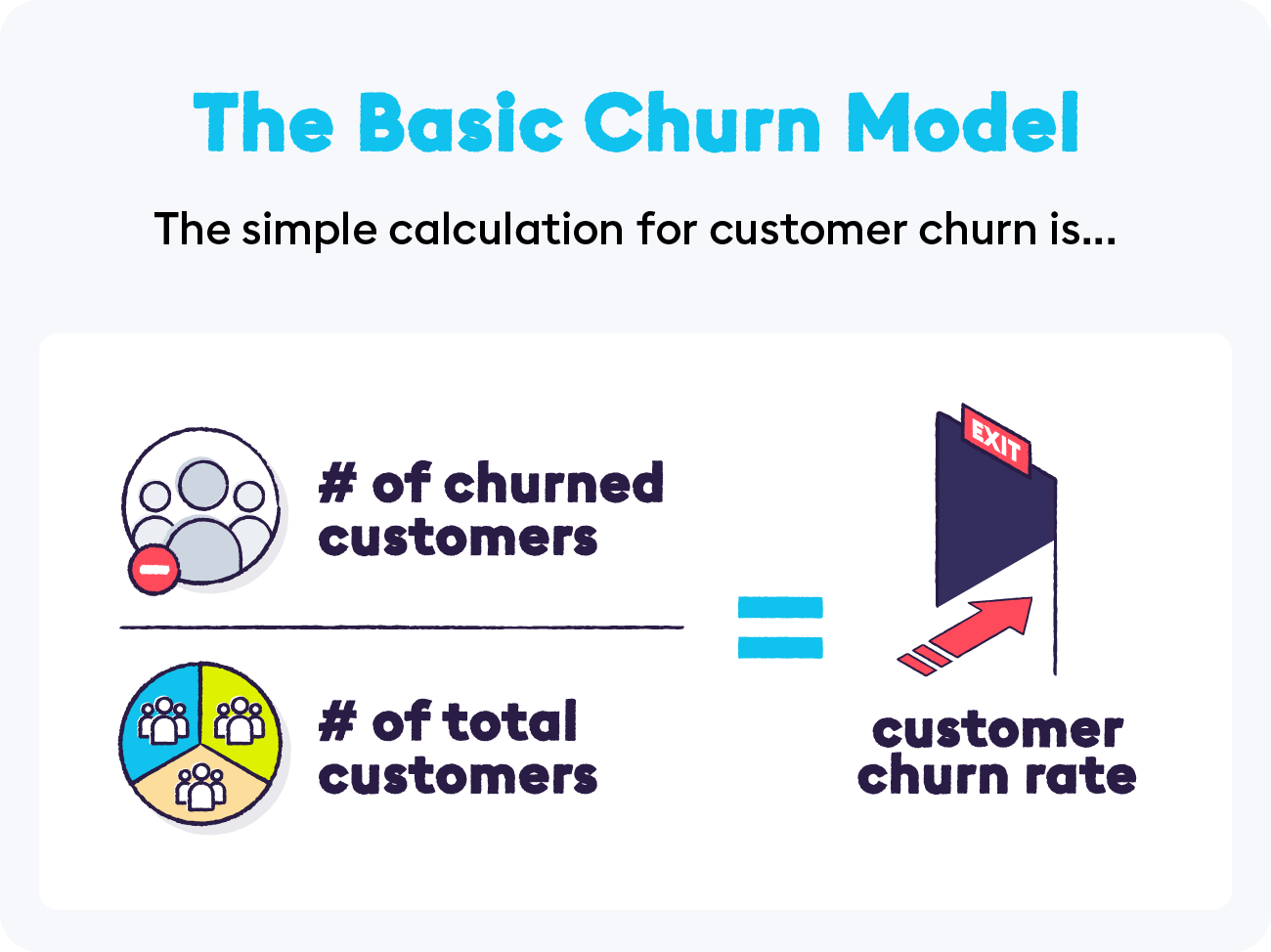 Customers churn for different reasons, including bad customer service, bad on-boarding, lack of ongoing customer success, and more natural causes like outgrowing a product or service. Churn is ultimately bad, but inevitable. Cobloom mentions that “It’s important to track and improve your churn rates over time. 5 – 7% annual churn is a great benchmark to aim for – if you’re an established, mature SaaS company, primarily targeting the enterprise. If you’re earlier-stage, or targeting SMBs, expect churn to be closer to 5% per month.”
By reducing the churn rate amongst loyal customers, businesses will bring in higher revenue. This is because churn is directly associated with revenue. Some things companies can do to help reduce churn rates are to make great first impressions, exceed customer expectations, provide great customer service, listen intently to what customers have to say, and to figure out why customers cancel and try to fix it. It’s up to each company to find out where their holes are and patch them.
 Let’s break down how this all related to marketing. A consumer’s underlying worldviews are important for marketing because they may provide deeper-level explanations for the purchasing decisions they make. Similarly, these worldviews and perceptions may influence the way marketers put together campaigns. Our worldviews determine what we think is possible, and what we think is possible will in turn influence the results we create or allow in life. It is important for marketers to understand perception and its related concepts in order to decide what factors will influence consumers to make purchase decisions. This is why businesses invest so much money in marketing and honing their customer service. They need to do whatever they can in order to favorably influence how target consumers perceive the brand.
 Consumers synthesize the information they have about a company so that they can make a decision about whether a company offers any value to then. Consumer perception is an approximation of reality, and businesses try to influence these perceptions of reality. For example, a company may market themselves as a business that offers quality and convenient services so that consumers may perceive the brand as valuable, in turn generating more sales. It is no longer enough for a brand to be recognized. Consumers want to feel good about a brand and company and do businesses with corporations they can relate to with positive worldviews. According to an article by
  Can you think of a time where you were ever in a situation where you felt that a salesperson had sketchy intentions? Being a woman, I have dealt with this a few times when it comes to cars, for example. I also recently experienced this with a pushy realtor when I bought my first home three years ago. Perhaps they were trying to convince you to make a purchase you didn’t actually need. In the case with the realtor, I had a fairly low budget for my home, and he was trying to convince me to purchase a home that was falling apart because it fit into my budget Expecting these sales people to try and trick or manipulate us is called the schemer’s schema, and it’s an actual psychological term.
 Marketing research shows that when consumers are content with a product or service, they will be more inclined to purchase the product or use the service. This means that if marketers could manipulate a consumer into thinking that they have had a good experience with a product or service, the consumer would be more likely to buy it. Believe it or not, this manipulative marketing tactic has been tested and tried.
  This means that when the marketers got these participants to try and visualize their experience, they actually believed that they had tasted it, even though they never had. Crazy concept, isn’t it? Schemer’s schema is a good thing and it’s important for a consumer to always be aware and keep it active. Sometimes people or advertisements can make you feel wary as a consumer. However, being aware of why you are doing things and why you respond to things the way you do is important for remembering what was an actual experience and what was not. On the other hand, these are helpful psychological tactics for companies who want to try to influence consumers into making purchases and could probably be used more than it actually is.
 Best known as “word of mouth” marketing, this type of advertising places emphasis on getting people to talk about a product so that they can pass the information on to other consumers. Consumers either really enjoy a brand and talk to others about it, consumers can receive sponsorships and then tell others about the company, or company employees can pretend to be consumers of the brand and therefore tell others about it. What makes buzz marketing worthwhile is that consumers tend to believe testaments of those who have tried products rather than whole heartedly trusting an advertisement. People also like to give their opinions on things because they desire to be socially active. This means they will naturally want to give their opinion of a product they enjoyed, so word of mouth advertising is a very natural, effective, and free form of marketing.
 The purpose of guerrilla marketing is so that quick results can be gathered with limited resources, but instead depending on creativity, strong relationships, and trying new things. Guerrilla marketing should involve consumer interaction and strong bonds with customers through branding. Guerrilla marketing can bridge consumer interaction, impact spot markets and create buzz. It differs from traditional means of marketing because it only requires creativity and imagination. It is able to expand when current customers give referrals, which differs from traditional marketing. Because it is essentially a form of word of mouth marketing, it’s a worthwhile method.
 When a product or brand is placed into a movie, TV show, or other media program in order to capture consumer attention, marketers are using product placement. Marketers find ways to imbed the brand into the story. For example, watching an actor pour coke out of a very obviously placed Coca-Cola bottle on the big screen. When marketers utilize product placement, their intention isn’t necessarily to get consumers to purchase a product, but instead to increase its awareness and liking. Brand placements are great methods for building brand awareness and are absolutely worthwhile methods. This form of marketing has been used for centuries and is not just a fad.
 This form of marketing associates itself with consumer hobbies. For example, mall signs and escalator advertisements which are virtually found anywhere including airports, malls, and stores. Some marketers are even placing ads on stair steps. While there are new trends when it comes to lifestyle advertising as far as creatively placing the ads, this alternative marketing method is worthwhile as it can target consumers anywhere.
 Both of these markets are types of commercial transactions, but business to consumer (B2C) involves selling products to consumers while business to business (B2B) involves selling products or services directly to other businesses. B2B caters their marketing efforts to the needs, interests, and challenges of customers who are making purchases for the organization or business, not for themselves. One example if the company that I currently work for.
  This brings us back to our first question. When it comes to B2B vs B2C, which business model is better and more profitable? Where can you make more money and quickly grow a business? While the answer to this question isn’t so cut and dry, the overall impression seems to be that B2B id more profitable than B2C. B2B markets are vertical markets and sales pitches use the same main campaign. B2B also means that you are purchasing or selling in bulk which gives you profit as per your price. As far as B2C, you can really only sell products at market price and sometimes customers will ask for discounts. B2B markets also tend to have recurring sales, meaning these businesses don’t have to run after the same customers each and every time. Typically, customers won’t switch to purchasing from another business because B2B products are usually integrated throughout the organization. B2B can be very profitable because businesses usually have a lot more money to spend than the typical consumer. Businesses have a greater budget and can afford to pay premium prices for products and services.
 That’s not to say that there isn’t money to be made in the B2C sector as well. However, you may have to build a solid customer base first. In order to make decent money in the B2C sector, you need a lot of loyal customers willing to dish out the dough. There is usually more money to be made in B2B and luckily you won’t need as many customers to be profitable since B2B can charge higher prices.
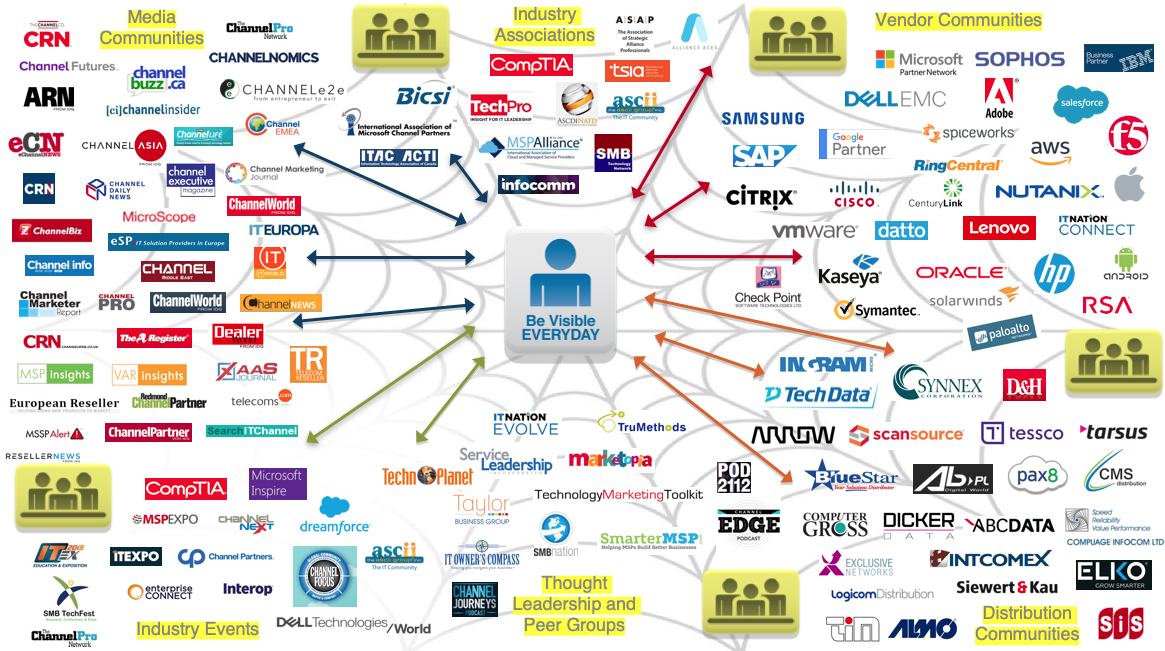 Channel marketing essentially focuses on the distribution of products from the manufacturer to the consumer. Many manufacturers don’t sell directly to end users, meaning they have to use a marketing channel in order to allocate their products. One good thing about channel marketing is that it really helps businesses expand their revenue. The choice of which channel to use is an important decision for a business and affects all other areas of the marketing mix. It is very common for businesses to use various marketing channels with different strategies for each area they are serving. There are benefits of channel marketing including selling to other places than just a store, meaning more reach and more sales. However, there’s so much more to channel marketing.
 A channel can really help in getting businesses more information about consumer experiences. For example, they may be closer to a customer and positioned at a point where customers can freely give their opinion on a product. An article on
  Let’s face it. By having middlemen promoting your products and services, you save money on advertising. These channels will have people designing their own sales incentives and creating experiences to bring in customers.
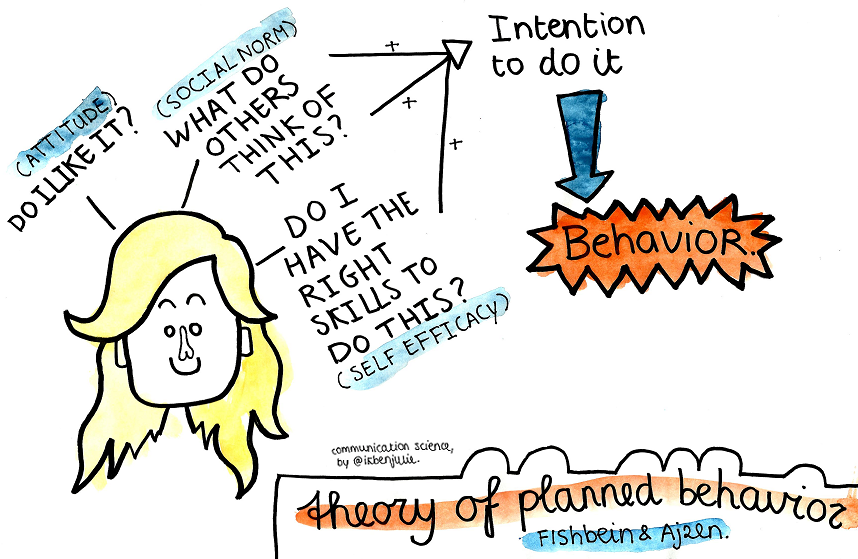 The theory of planned behavior suggests that when people can first think about how they will behave, the best way to determine how one will behave is by their intention. To understand what a consumer is going to do, marketers must first determine what it is they intend to do.