Why go crazy searching for information when the internet places it right at your fingertips? With a quick Google search, you can find any information you need in a matter of seconds. In fact, according to a Google report, there are about 63,000 searched made per second. This number is mind boggling. Each of these people are looking for something particular, and in some of these instances, your website can offer them the solution they search for.
 According to an article by Search Engine Land, organic search accounts for 53% of traffic while paid searches account for 15%. Digital marketing guru Neil Patel found that 75% of people will never scroll past the first page on a Google Search. This means that ranking on the second, third, or fourth page just isn’t optional because you won’t bring in enough clicks and traffic to make SEO worth your money and effort.
Marketers must therefore take a good look at SEO strategy and make decisions as they go. Paid and organic ranking reports, keywords, search features, technological use, etc. are all part of the puzzle piece which marketers must plug in to make meaningful and data-driven decisions. In order to make an SEO strategy matter, there are various steps you should take.
UNDERSTANDING SEO IN 4 EASY STEPS
Step 1: Create a list of keywords. By typing a keyword into Google’s search field, you can easily find keywords to target customer searches. Search engine optimization revolves around keywords. It’s a good idea to get at least 10 keywords together and there are also keyword tools like SEMrush or Ubersuggest that work well for this purpose. It’s also important to remember that keywords drive searches, but only when they are in context. This is because Google’s algorithm is very hi-tech so everything must be ready to go before PCP’s and campaigns are thrown into the mix.
Step 2: Begin with your landing page. Google must first understand what your website offers by picking up any subjects, metadata or backlinks. It’s also important to take a look at your website and understand what the user experience is like. If it’s relatively easy to use, that’s a good sign.
 Step 3: In case you’ve never noticed, when you search for something on Google, there are other buttons under the search leading you to articles, images, shopping, or video. You need to make sure that when hashing out a strategy, all forms of media such as blog posts, videos, and photos are brushed upon. By delivering information exactly the way it is search for, you are well on your way to successfully using SEO.
Step 4: Become dominant in your particular industry. This will eventually drive more direct searches to your site and have audiences specifically conducting SEO searches for your business.
SEO can be a complex process. Luckily, there are many helpful videos out there for marketing gurus, such as this 8-Step SEO Strategy for Higher Rankings in 2020. By truly understanding how it works, you can be an SEO guru too.
 Brands that can learn how to tap into a buyer’s emotions are often able to create a strong bond and trusting relationships with them. As a result, a culture of loyalty forms. According to an article about brand love on
  Many people have learned to define themselves by brands. Most consumers want interactions with brands that are meaningful and act in human and personal ways. They want an emotional engagement with brands, and a relationship made up of loyalty, honesty, reliability, longevity, and commitment. It’s important to note that brand awareness on its own it not what drives sales, but instead brand love is what drives desire, loyalty, and advocacy for a brand. Of course, with love comes loyalty and recommendation. When people feel understood by a brand and that it is meeting their needs, they tend to stay true to the brand and recommend it to others. This is a traditional form of marketing and even boosts the effect of paid media.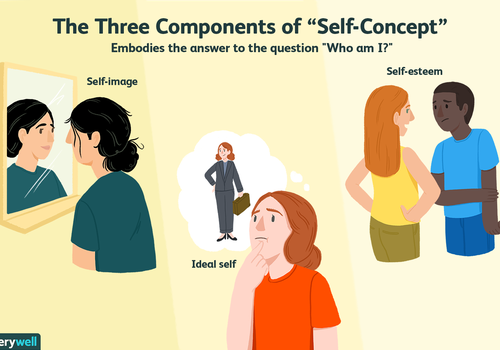
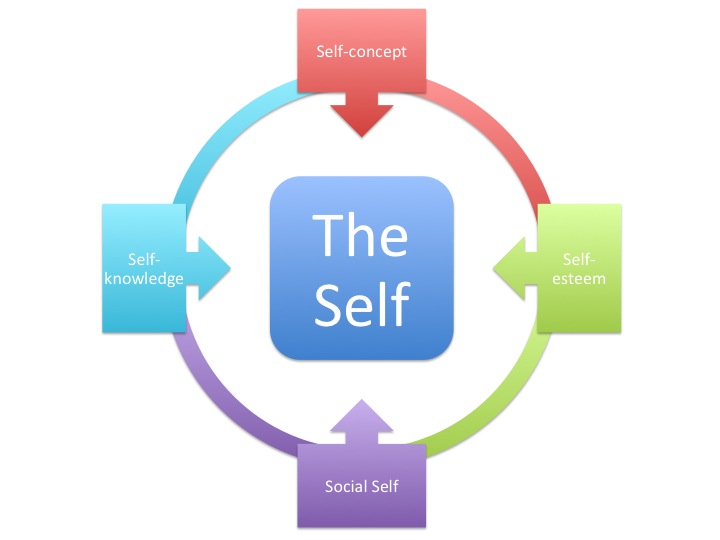
 Rather than using social media platforms to self-promote products or services, there are steps that brand can take in order to make the most of what social media has to offer. By providing the right guidance, tools, and strategies to their customers, brands can not only offer assistance to those in need which in turn allows for a loyal and growing community, but they cast a positive light on themselves as well. Here I have put together a short list on how businesses can use social media to effectively build brand communities to be proud of.
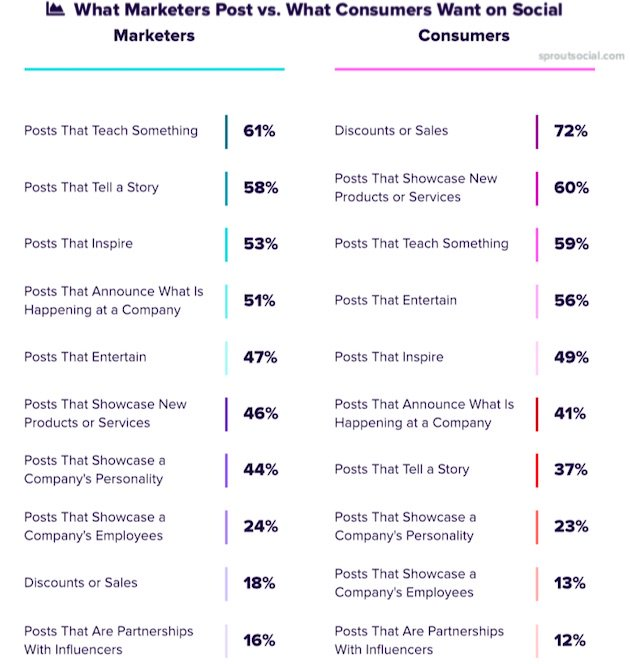 Community is about engagement. The first thing brands should be doing is engaging with their customers. Communities should be able to openly and freely communicate and respectfully engage in whatever the purpose is. It’s important for members to dive into the community, whether that be by commenting, asking questions, or simply posting something silly. Other forms of engagement are helping users by answering their questions and offering opinions or valuable solutions. A business or brand may find it useful to take the time to get to know the people they are targeting by sharing information and insights about themselves first.
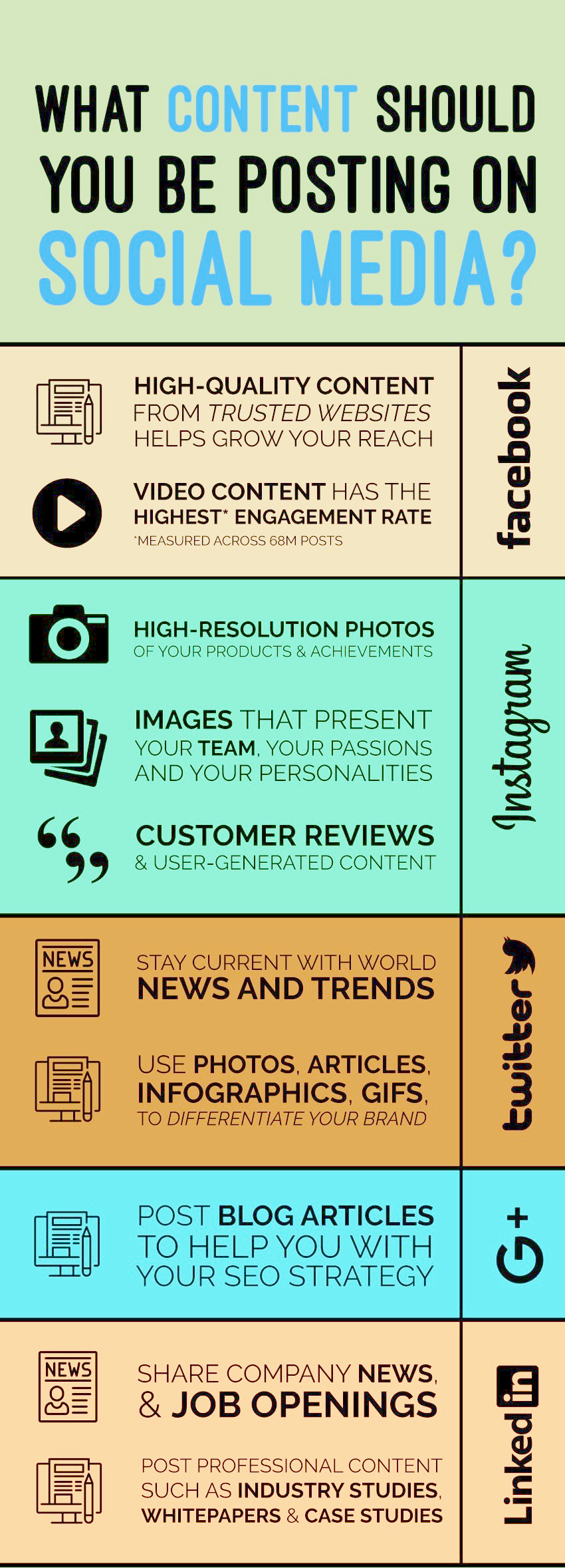 Reach out to customers! After engaging with them online, select a few to personally message. There are some brands that do this. The new popular hair color brand Overtone, for example, selects a few of the best comments on each post to personally respond to. Whether customers have questions about particular products or the effect the product will have on their hair, Overtone is there to help. It’s important for brands to clarify questions that customers may have or direct them to someone that can. Brands can even ask for customer input. This is a valuable way of bringing customers into the brand community and build lasting relationships with them. After some time, the brand will have built a strong community, which is what will truly drive the brand.
 Did you know that we can form a first impression in under a second? It may sound a little “out there” but actual
 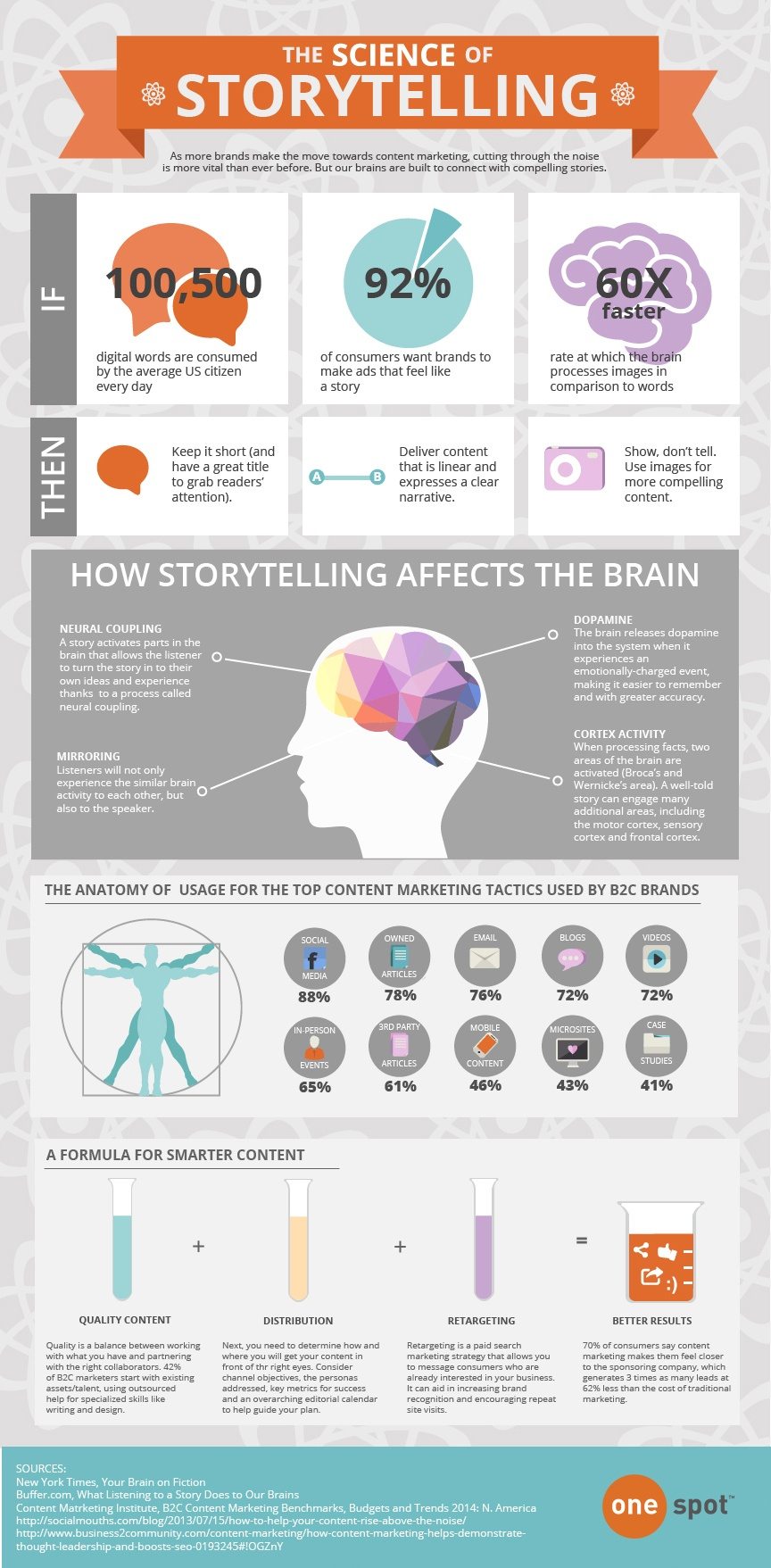 into their emotions and help them realize why they need the product. By recognizing that we are social animals and want to be a part of something, Apple has crafted marketing strategies like “product unveiling events to help consumers feel a part of something large and important. When consumers feel emotionally tied to an ad, they have more of an intention to buy the product or service being advertised.
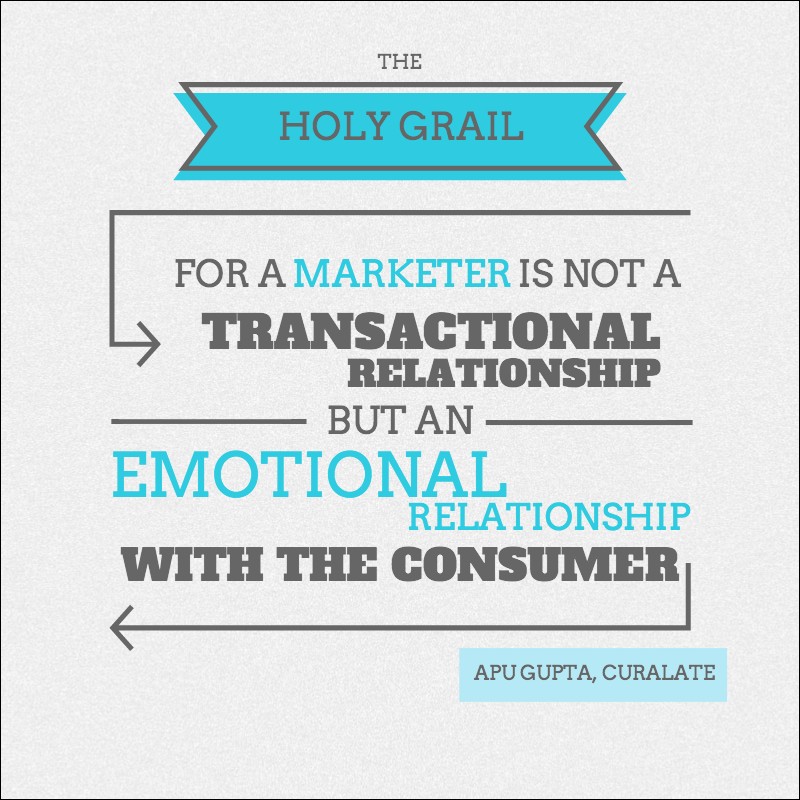 We know that consumers judge brands depending on their emotions and how they feel about particular experiences, rather than on the information provided about a product. This means that marketers must understand exactly how to emotionally connect to consumers and use emotional intelligence to hook customers. By using a mix of technology, colors, and other factors that are known to stir up emotions, brands can come up with the advertisement of a lifetime. On the website
  One of the best things about Facebook ads is that there are so many different ways to target the best customers. Facebook ads gives you the opportunity to target people by factors such as age, interest, location and more. This means that if you want to target rock climbers in the 20-30 age range or males that live a certain distance from your store, you can do it with Facebook ads. Facebook can select these people depending on their interests, the algorithm they used, and the data that Facebook collects from people. It’s really a genius way of targeting clients.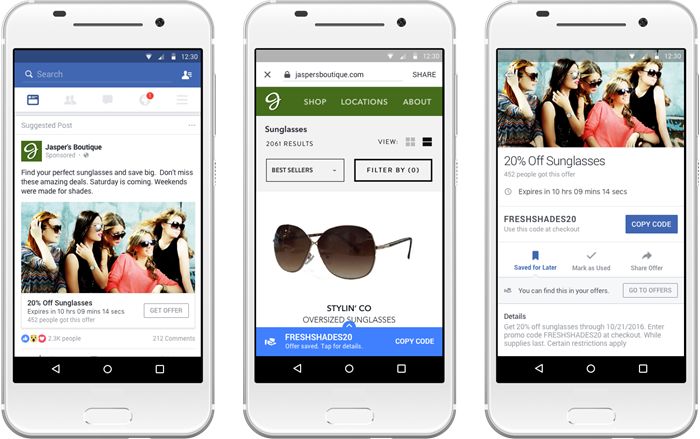
 By placing their ad right in front of users and showing the ads to the people most likely to become customers, Facebook ads is in a position to successfully reach intended audiences. This is one of the best reasons to advertise on Facebook. The social media platforms allows the ability to target highly specific audiences, which increases the probability of delivering an effective advertisement. Facebook is truly a great platform that helps drive growth to businesses. The Facebook ads platform even allows for tracking of the results of each ad so that businesses can measure ROI and decide how to make bigger and better ads and make their business boom!
 that captures the spirit of what the brand is about, combined with the right messages, crafted in the right tone. Without key messages, a piece of brand communication is a beautiful box with nothing inside.” Companies best connect to their customers through verbal branding, which is made up of a combination of positioning, messaging, corporate language, and brand voice. Once a company has effectively positioned themselves, they can engage in brand messaging to separate their positioning into various ideas. Once a successful message has been established, companies will often find themselves in a better position in the marketplace, attracting valuable customers.
 usage of brand language, stating that “BMW visual brand language is one of the most recognizable in the automotive world. Regardless of social status, professional training, or whether one is a fan of the brand or not, people recognize BMW cars not only by the logos, but by specific design elements that made history. A small glimpse of one of the brand’s cars is often all it takes for someone to recognize one of its creations, and it has much to do with its visual brand language.” BMW clearly has established a unique brand language over the years, using various components of brand language that have helped build up the iconic brand.
 Social media listening is made up of marketing tools that help monitor social media keywords being used throughout the web. This allows marketers to collect mentions and conversations that audiences are having about a brand. However, social media listening goes far beyond just measuring metrics. Social media listening doesn’t just mean being aware of what people are saying about a brand on social media, but also understanding how to best respond to these comments. A marketer who understands how to engage in social media listening, understands how to communicate. By listening, marketers can understand how consumers perceive a brand or product and respond by devising a strategy to improve it. By listening astutely, a brand can build a customer base and loyalty. By responding to any comments or mentions, a brand also stands a chance to develop their voice.
 Social media marketing is a very useful tool but is largely underutilized. In fact, so much more goes into it than just following and publishing posts. Collecting crucial feedback, understanding what it all means, and responding in a way that boosts the brand is essential to success. When brands choose to engage in social listening, their social media channels really begin to become influential—every marketer’s dream. If your business isn’t already engaging in social media listening, start today!