During the course of my master’s in marketing program, Six Sigma became somewhat of a scary name. The certification was difficult and time-consuming to obtain. Any mention of Six Sigma gave me flashbacks of sitting at my computer listening to lectures. However, the experience taught me what Six Sigma is actually for and how it can give businesses a huge advantage. Six Sigma is a process improvement method used for enhancing marketing and sales performance. The 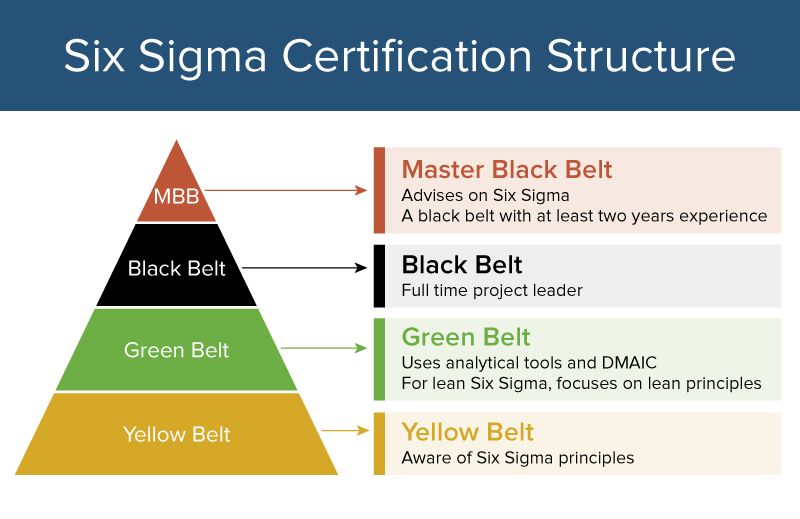 Greek letter “S” (sigma) is a measure of variation, while is business Six Sigma is a measure of quality. It makes sense then that Six Sigma is utilized for its ability to transform the way many companies currently manufacture their products. Some well-known companies that have benefited from Six Sigma include Bank of America, Xerox, and Dell, just to name a few.
Six Sigma can be applied to marketing and sales teams in a variety of ways. Decisions are made based on the measurement and analysis of results. Activities are then further enhanced so that results can be improved even more. Although this should be the standard way that marketing and sales activities are managed, it usually isn’t, which is why Six Sigma can be so beneficial for this industry.
According to an article by Sales Performance, “Innumerable variables make marketing and selling challenging. For example, some direct mail campaigns generate a 1% return, others generate 1.5%; some salespeople close 20% of their deals, others close 30%. Would you like to know why some mailings get a 50% greater response rate and why some salespeople have a 50% higher close ration?” This is where Six Sigma steps in to pinpoint the root causes of these variations so that marketers can better identify what part of the processes need to be changed.
By focusing on these measurements, Six Sigma can suggest methods for evaluating sales activities and characteristic to determine what is causing variation in a company’s sales and marketing results. Marketers have been doing this for a long time by using things like split testing. Six Sigma allows marketers to take their older analyzation methods and apply them to marketing and sales processes. CMS Wire explains it best, explaining that “When applied to marketing, Six Sigma allows marketers to see problems through the eye of the stakeholders and customers, measure and analyze the results and improve upon the process.”
 The bottom line is that most marketing projects can be assisted with a Six Sigma strategy because the process improvement method uses data to determine strategy and execution. Integrating the process into an organization can be a solid business decision, as it presents exclusive opportunities and challenges to transform its conventional role within the organization as it develops to capture the market’s voice and identify valuable processes.
 Marketers oftentimes decide who to target by segmenting consumers into groups based on collected data. While creating these clusters, sometimes marketers fall into a trap of enforcing stereotypes, whether they be social, cultural, or based on gender. During these trying times where protests to ban discrimination are rising in many areas of our country, it’s important for marketers to refrain from exposing audiences to uniform messaging, especially if the messages can be deemed prejudice or controversial. This type of messaging can push potential customers into a bubble where they feel they must accept an ideal image that has been painted by marketers and can even sometimes prevent brands from truly understanding their consumer’s preferences.
 An article by
  Additionally, when it comes to content creation and the creative side of marketing, professionals must try to avoid utilizing stereotypical images. One of the purposes of marketing is to use images in order to elicit associations. This can be a problem when so many images have concealed associations that can spark reactions. Reactions to images and how they are interpreted differ extensively from person to person so sometimes ads can unintentionally propagate negative stereotypes. By putting these images out there, marketers run the risk of perpetuating prejudice and bias. However, by crafting exceptional and authentic images, the marketing industry can change the landscape and significantly decrease discrimination.
 With fear and anxiety at an all-time high, many consumers have turned to panic buying in order to ease their minds. In order to develop personalized strategies, digital marketers have had to quickly learn to observe recent consumer patterns and understand what consumer behavior looks like in the middle of a deadly pandemic. In order to prevent themselves from going under, brands who want to survive must develop approaches to strengthen communication channels with their audience and readjust their omnichannel strategies. The beauty of these strategies lies in how they provide a uniform customer journey and smooth delivery for customers. A company that invests resources in getting this right and developing these omnichannel strategies may be around much longer than those businesses who don’t think outside of the box and depend on temporary solutions for closing in on these communication gaps. An article by
  The development of smartphones and social media have given businesses the opportunity to connect with customers in exciting and immediate ways that were never before possible. Additionally, people have turned to technology as a means of communication as a consequence of isolation. These touchpoints have provided many tactical opportunities for brands to truly relate to their customers on a deeper level, understand their most basic needs, and build loyalty. By adopting a rounded approach to omnichannel strategies, brands have been able to push back, and even use the pandemic to their advantage, as in
  Sales involves teams who are in charge of selling a service or product. It’s up to sales to sell whatever the company caters to. Sales develops relationships with customers as well as channel partners. They are the ones that jump through hoops to make sure that their customer’s needs are being met. The world of sales is fast paced as salespeople tend to want things done quickly since their success depends on how fast they can work to push and sell something. In other words, the more people they are able to meet, call, message, and ultimately strike up a deal with, the more sales they will make.
 developing leads. Marketing departments point the sales departments in the right direction so that they know where to invest their efforts. However, unlike sales, marketing efforts cannot be rushed. An article posted on
  This leads us to the final question. In the world of business, does marketing take a back seat to sales, or is it the other way around? The answer is neither. You can’t successfully run a business without a sales team dedicating themselves to pushing your products or services to consumers and sales can’t push those products or services without having a clear strategy as to where to focus their efforts. It’s a business battle that truly ends in a tie.
 Technology has had a major influence on how we sell and an even bigger influence on how we purchase. With the evolution of the internet and everything digital, retailers have switched over from selling products out of conventional brick-and-mortar stores and have begun selling virtually, or via a mix of physical and virtual stores. However, this has paved the way for various supply chain problems since businesses must now find a way to accommodate two separate markets. Retail stores sell the products they currently have in stock while some (not all) online businesses depend on third-party vendors to fulfill and send out these orders. The difference between the way the two sell products is that online retailers ship out various same day orders placed by customers while retail stores sell products to customers that they physically have in stock.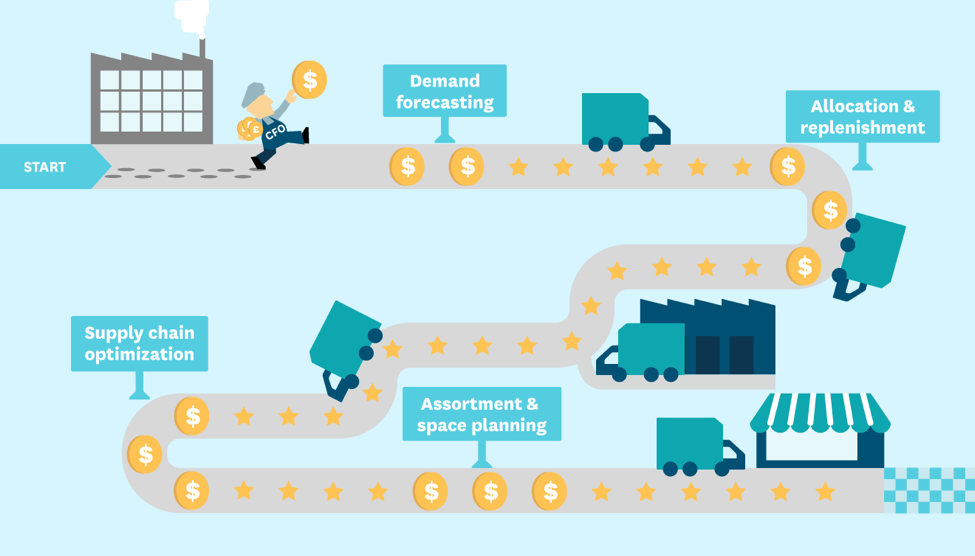
 The
The  Omnichannel marketing involves guiding customers from the very beginning of their customer journey through the very end and therefore tends to be very consumer centric. An article by
 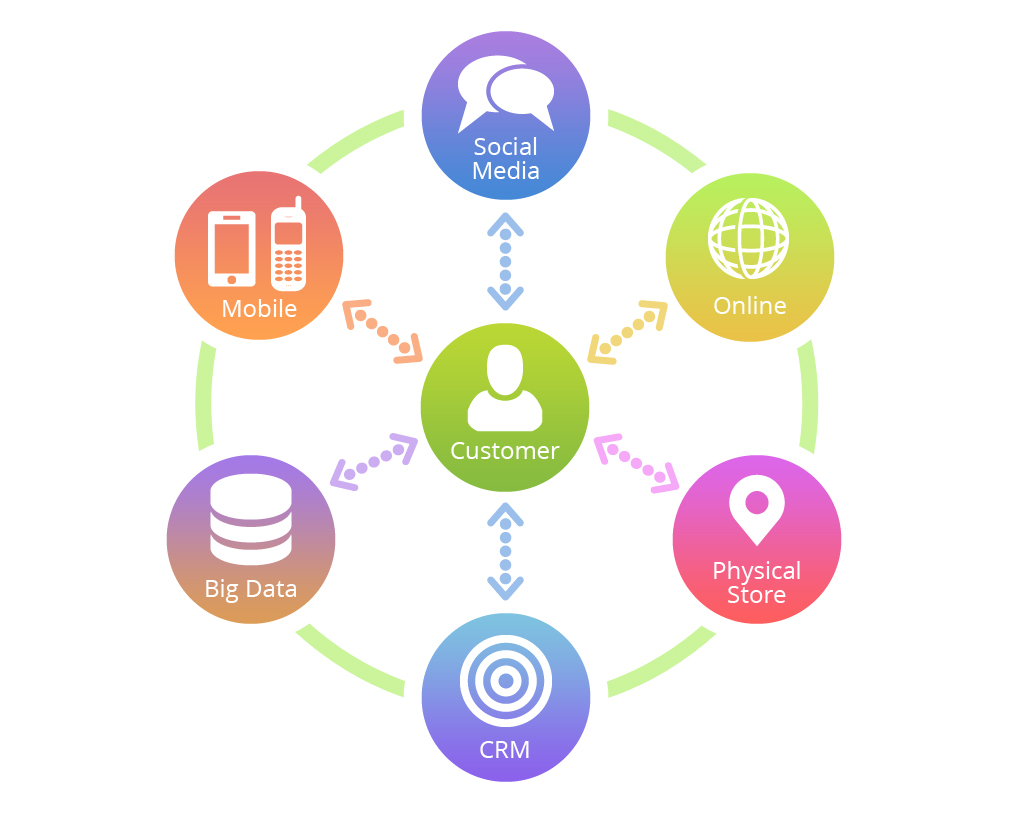 You may be wondering how omnichannel marketing relates to new age customers. The omnichannel experience doesn’t just recognize that consumers are utilizing different channels in order to make purchases, but they are using multiple devices to do so. Gone are the traditional marketing days. Omnichannel marketing uses smartphones, laptops, and tablets to reach target audiences. In fact, consumers have changed so much that they will sometimes even use a variety of these options at once. For example, a customer may visit a brick and mortar store and then turn to their smartphone so pull up an item. If this doesn’t scream “new age marketing,” I don’t know what does.
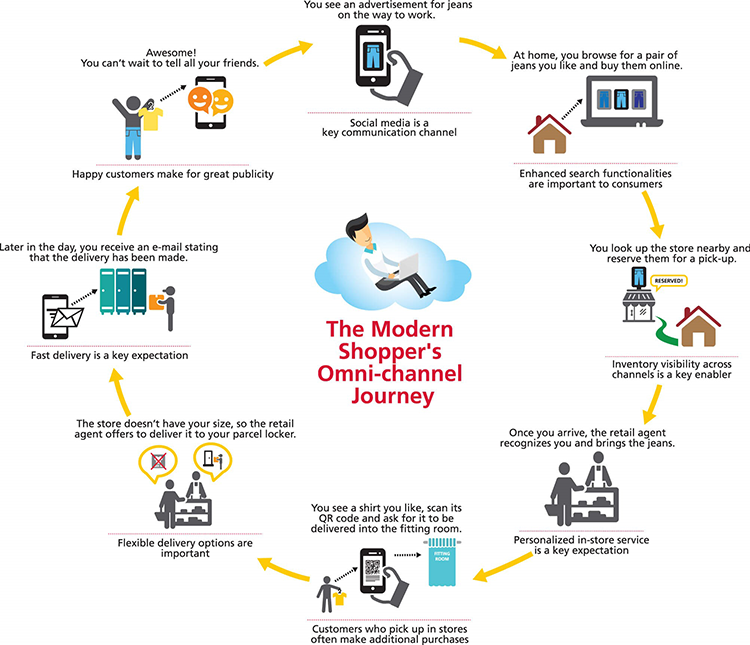 Part of the reason that omnichannel marketing is so well suited to modern consumers is because it gives the customer the control in finding the answers they are searching for when they need them, and in the way that they feel most comfortable with. Consumers aren’t interested in having advertisements shoved into their faces anymore, which is the beauty of omnichannel marketing. It helps business grow out of old and traditional marketing strategies and take on new ones better suited to today’s market.
 Goal setting and strategy are two very different ideas that are often confused with one another, especially when used in the context of marketing. It is essential for marketers to understand the difference between the two. In order for a business to function smoothly, it must have a plan that works. Both strategy and goal setting are important parts of a business strategy, and although both terms are used interchangeably, there is a fine line between them as they both do separate things for the business. Let’s explore what makes them different.
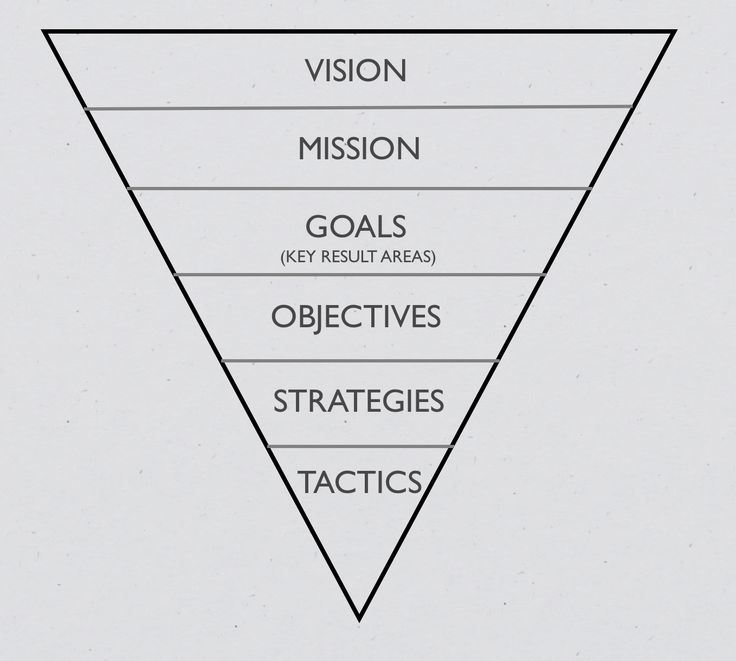 In order to develop a strong business strategy, goals must be clearly defined. Without having defined goals and methods of supporting those goals, it becomes difficult to measure progress and adjust strategic plans accordingly. A goal is essentially the means of deciding what should be accomplished and doing whatever necessary to achieve it. An article by
 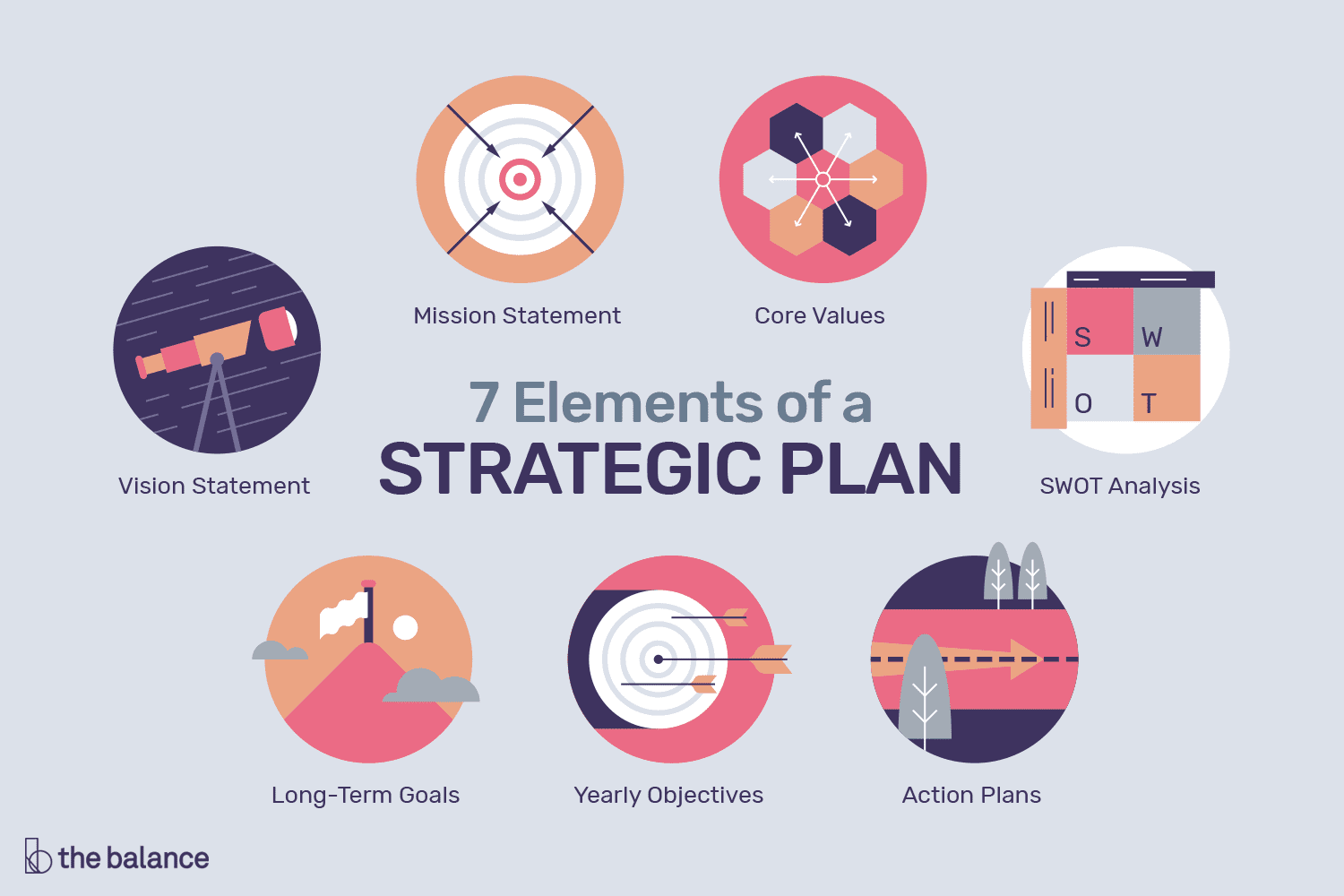 On the other hand, we have strategies. Business strategies are important for determining what a business must do to reach goals and objectives. An article by
  Have you ever canceled a subscription to anything? Maybe you decided you wanted to switch gyms and so you cancelled your subscription to LA Fitness in order to join Orangetheory. Maybe grad school was keeping you too busy and you decided it was best to cancel your Netflix subscription. If you have, you contributed to that company’s customer churn rate. Customer churn rate is the percentage of your customer or subscribers who cancel or don’t renew their subscriptions during a certain time period.
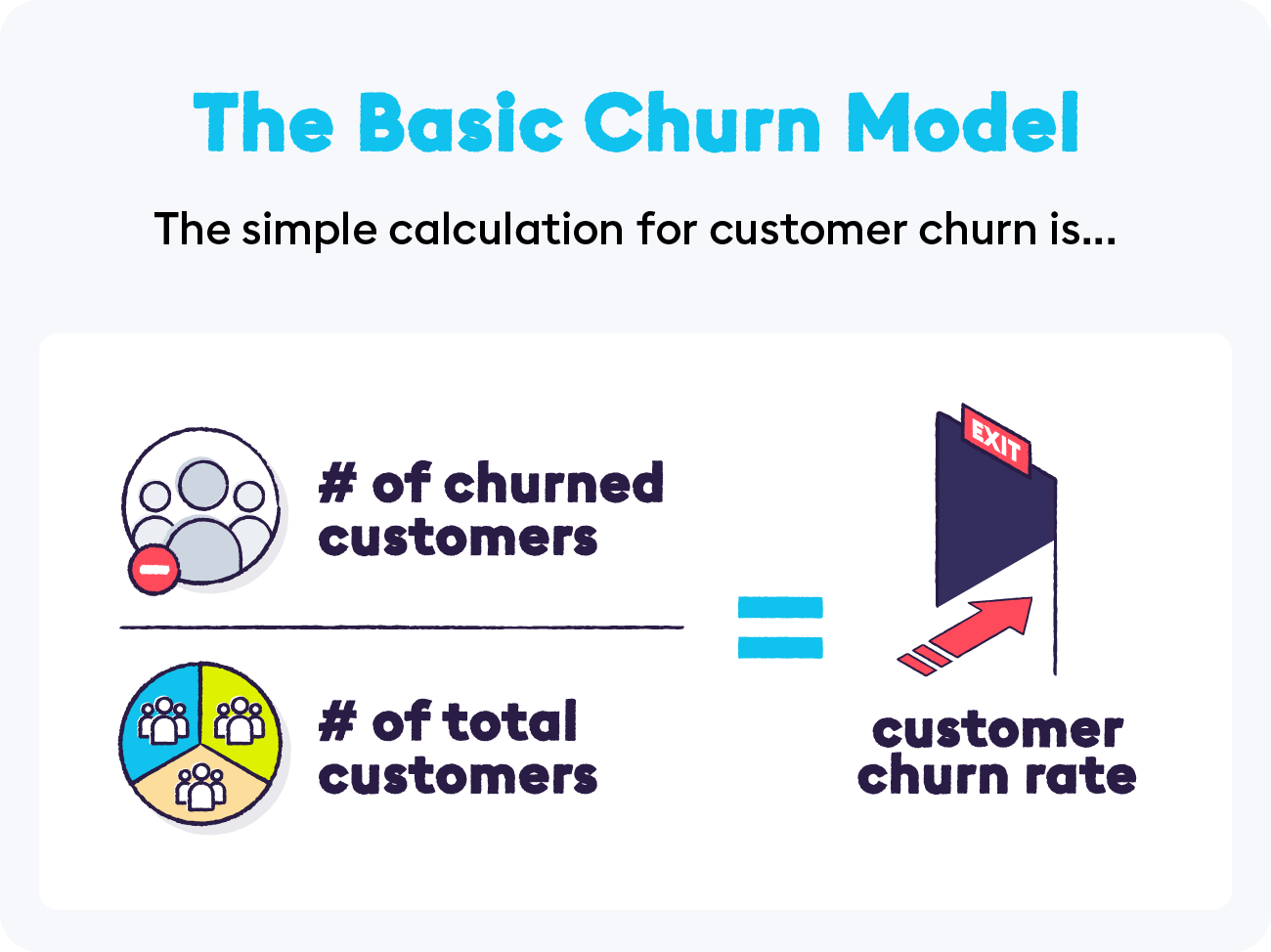 Customers churn for different reasons, including bad customer service, bad on-boarding, lack of ongoing customer success, and more natural causes like outgrowing a product or service. Churn is ultimately bad, but inevitable.
  Let’s break down how this all related to marketing. A consumer’s underlying worldviews are important for marketing because they may provide deeper-level explanations for the purchasing decisions they make. Similarly, these worldviews and perceptions may influence the way marketers put together campaigns. Our worldviews determine what we think is possible, and what we think is possible will in turn influence the results we create or allow in life. It is important for marketers to understand perception and its related concepts in order to decide what factors will influence consumers to make purchase decisions. This is why businesses invest so much money in marketing and honing their customer service. They need to do whatever they can in order to favorably influence how target consumers perceive the brand.
 Consumers synthesize the information they have about a company so that they can make a decision about whether a company offers any value to then. Consumer perception is an approximation of reality, and businesses try to influence these perceptions of reality. For example, a company may market themselves as a business that offers quality and convenient services so that consumers may perceive the brand as valuable, in turn generating more sales. It is no longer enough for a brand to be recognized. Consumers want to feel good about a brand and company and do businesses with corporations they can relate to with positive worldviews. According to an article by