Facebook is perhaps one of the most effective social media advertising platforms. According to Statista, there are almost 2.5 billion monthly active users on Facebook, meaning there is huge potential to reach people. Still, there are other reasons that it tends to be a preference amongst marketers, advertisers, and businesses alike. Facebook ads are a very important part of Facebook and can be a useful part of people’s everyday life. However, some practices make Facebook ads either really good or really bad.
 One of the best things about Facebook ads is that there are so many different ways to target the best customers. Facebook ads gives you the opportunity to target people by factors such as age, interest, location and more. This means that if you want to target rock climbers in the 20-30 age range or males that live a certain distance from your store, you can do it with Facebook ads. Facebook can select these people depending on their interests, the algorithm they used, and the data that Facebook collects from people. It’s really a genius way of targeting clients.
According to DigitalInfluence, business owners must first choose how they want to advertise their product or service. If they are selling products, they can use product placement ads. If they are more focused on brand awareness or generating leads, Facebook ads will provide the options necessary to deliver these ads to people. Advertisers can also find value in Facebook ads by identifying their target audience, creating audiences, and then creating the appropriate advertisements to place in front of these people in order to garner traffic.
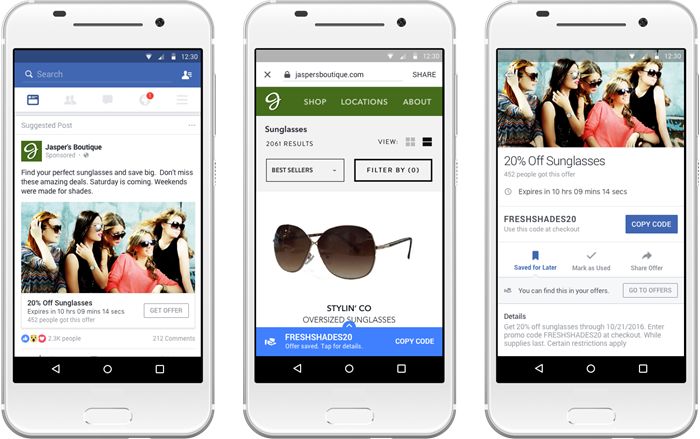
Facebook decides what advertisements to display through what some may describe as an auctioning system. The system depends on who the advertiser is targeting, whether it be based on age, location, gender, or apps subscribed to. Another way the system targets their audience is by pulling information from user profiles, and what those users look at or engage with on Facebook. The advertiser can then display their ad before you. Impact BND mentions that “Your business can target based on behaviors. Medspas can target people who are not only a certain age, but who like name brands of dermal fillers or medical aesthetics before and afters. Boutique hotels can target people traveling to their area, who have used travel apps within the last 30 days. And e-commerce businesses can absolutely target based on historical shopping behaviors, tapping into consumers that are likely buyers of skin care products based on their actual past purchasing behavior.” You can create a custom audience to show your ads to, no matter what you are promoting.
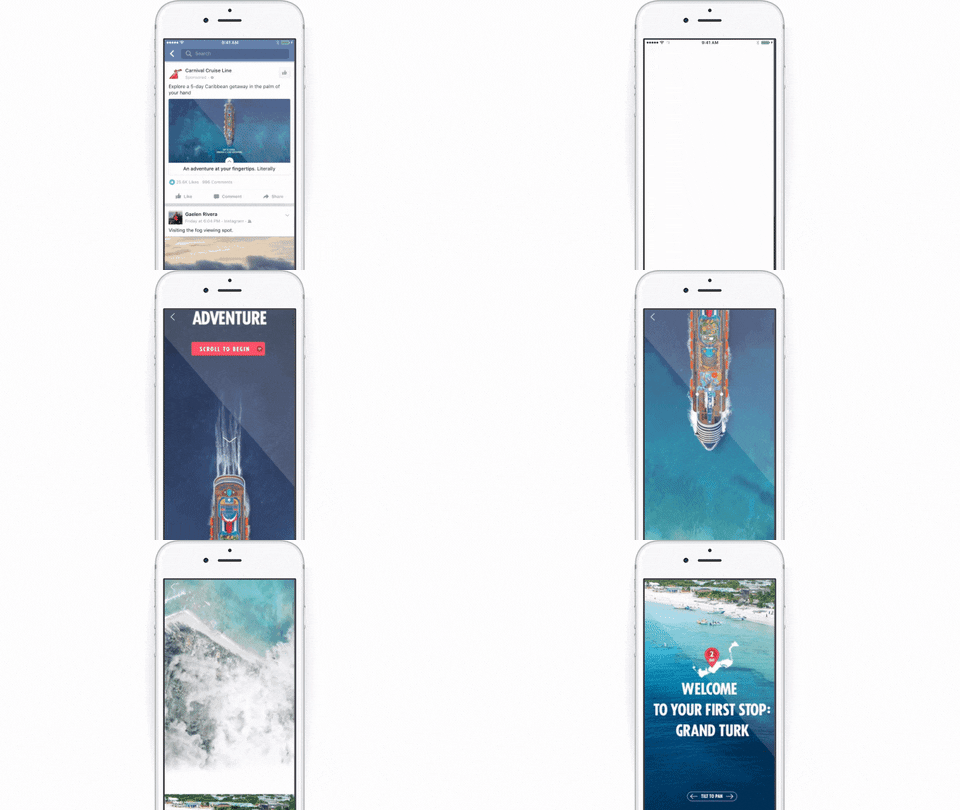 By placing their ad right in front of users and showing the ads to the people most likely to become customers, Facebook ads is in a position to successfully reach intended audiences. This is one of the best reasons to advertise on Facebook. The social media platforms allows the ability to target highly specific audiences, which increases the probability of delivering an effective advertisement. Facebook is truly a great platform that helps drive growth to businesses. The Facebook ads platform even allows for tracking of the results of each ad so that businesses can measure ROI and decide how to make bigger and better ads and make their business boom!
 that captures the spirit of what the brand is about, combined with the right messages, crafted in the right tone. Without key messages, a piece of brand communication is a beautiful box with nothing inside.” Companies best connect to their customers through verbal branding, which is made up of a combination of positioning, messaging, corporate language, and brand voice. Once a company has effectively positioned themselves, they can engage in brand messaging to separate their positioning into various ideas. Once a successful message has been established, companies will often find themselves in a better position in the marketplace, attracting valuable customers.
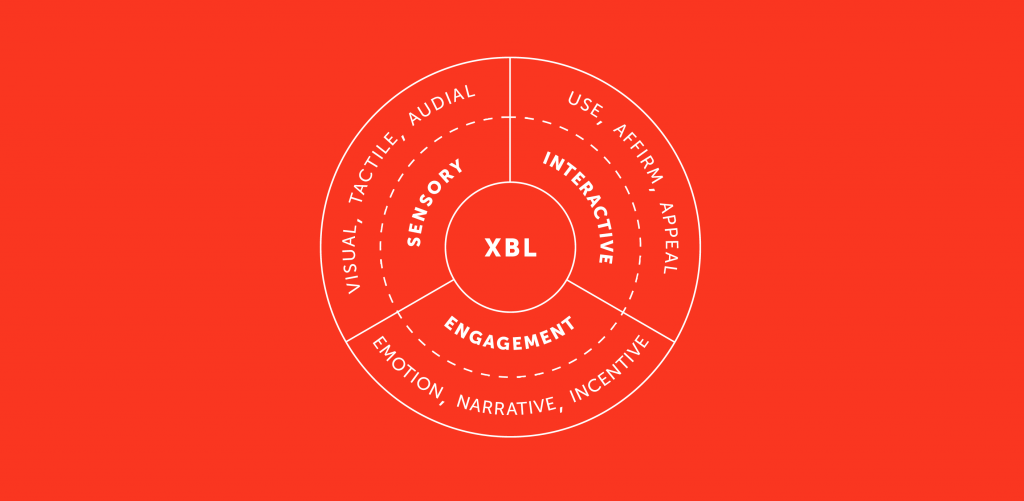 usage of brand language, stating that “BMW visual brand language is one of the most recognizable in the automotive world. Regardless of social status, professional training, or whether one is a fan of the brand or not, people recognize BMW cars not only by the logos, but by specific design elements that made history. A small glimpse of one of the brand’s cars is often all it takes for someone to recognize one of its creations, and it has much to do with its visual brand language.” BMW clearly has established a unique brand language over the years, using various components of brand language that have helped build up the iconic brand.
 Social media listening is made up of marketing tools that help monitor social media keywords being used throughout the web. This allows marketers to collect mentions and conversations that audiences are having about a brand. However, social media listening goes far beyond just measuring metrics. Social media listening doesn’t just mean being aware of what people are saying about a brand on social media, but also understanding how to best respond to these comments. A marketer who understands how to engage in social media listening, understands how to communicate. By listening, marketers can understand how consumers perceive a brand or product and respond by devising a strategy to improve it. By listening astutely, a brand can build a customer base and loyalty. By responding to any comments or mentions, a brand also stands a chance to develop their voice.
 Social media marketing is a very useful tool but is largely underutilized. In fact, so much more goes into it than just following and publishing posts. Collecting crucial feedback, understanding what it all means, and responding in a way that boosts the brand is essential to success. When brands choose to engage in social listening, their social media channels really begin to become influential—every marketer’s dream. If your business isn’t already engaging in social media listening, start today!
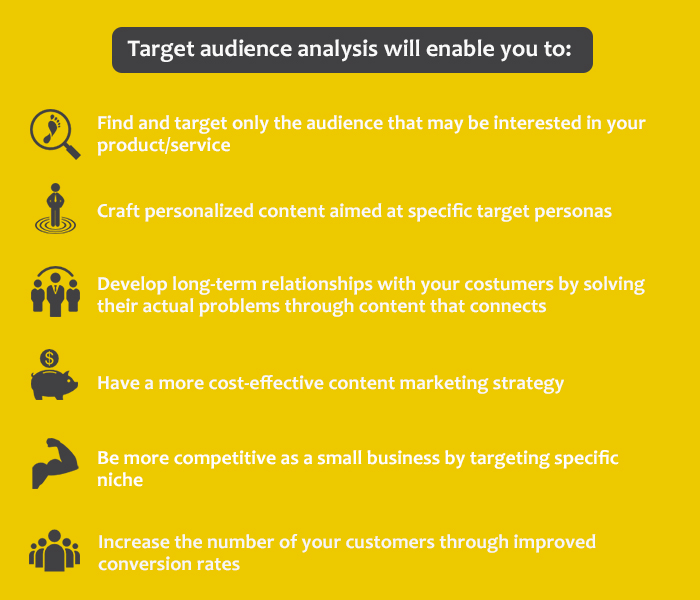 A brand’s target audience is made up of anyone who might potentially be interested in a product or service being offered. As an article by
  What made these campaigns successful was that both companies analyzed their audiences. It was important for them to understand what their audiences wanted. They also needed to understand who the primary age group of the audience is, their gender, their hobbies, marital status, and more. By building and maintain a connection with the audience, companies pave the way for their revenue to pour in. When a company doesn’t take the time to understand who their customers truly are, they have a hard time communicating and relating to the people who would otherwise likely purchase their products. As a result, companies who do use audience analysis as a tool tend to outshine those that don’t.
 Marketing is successful when the process of advertising and selling a product creates an impression in the consumer’s mind that drives loyalty. An article of
  However, sometimes negative consumer perceptions can have just as much, if not more of an impact as positive ones. With the age of social media, everything is put under a microscope and what is otherwise a small situation or misunderstanding can spiral into a huge scandal that can often tarnish a brand. For example, Southwest Airlines has been under a lot of scrutiny in the past few years. From kicking customers off their flights over the years for unfair reasons (like speaking Arabic and having pet allergies), to physically dragging customers off planes and dealing with a customer fatality due to an exploding engine, the Southwest brand has suffered due to poor consumer perception of the airline. As a matter of fact, Southwest Airlines lost millions of dollars in revenue due to their issues over the years. Consumers shared these stories on social media and the airline received backlash from customers who decided to boycott the company. The negative publicity caused the company’s price to plummet.
 all the time. The reason this happens is because when people experience extreme emotions, they are more likely to want to share that experience. The use of emotion in a post is likely to make an impact. Marketers can use this to their advantage by ensuring that the content posted has emotional narratives. This neuromarketing tactic uses emotional reactions that are triggered when people feel connected to something. If an audience feels close and connected and like they can relate to a company, there’s a chance they might begin to engage. In order to form emotional connections, companies must interact with followers in meaningful ways. They can do this by using emotions such as laughter in order to make an impact.
 products and take advantage of this by launching contests and giving away gifts. This means that if a company asks followers to share a post for a chance to win a gift, they likely will. If you offer an audience a free coupon or a free gift in exchange for their email address, chances are they’ll give it to you. An article by
  targeting already trusts, companies begin to build relationships and with influencers who add credibility to your brand. Let’s take
 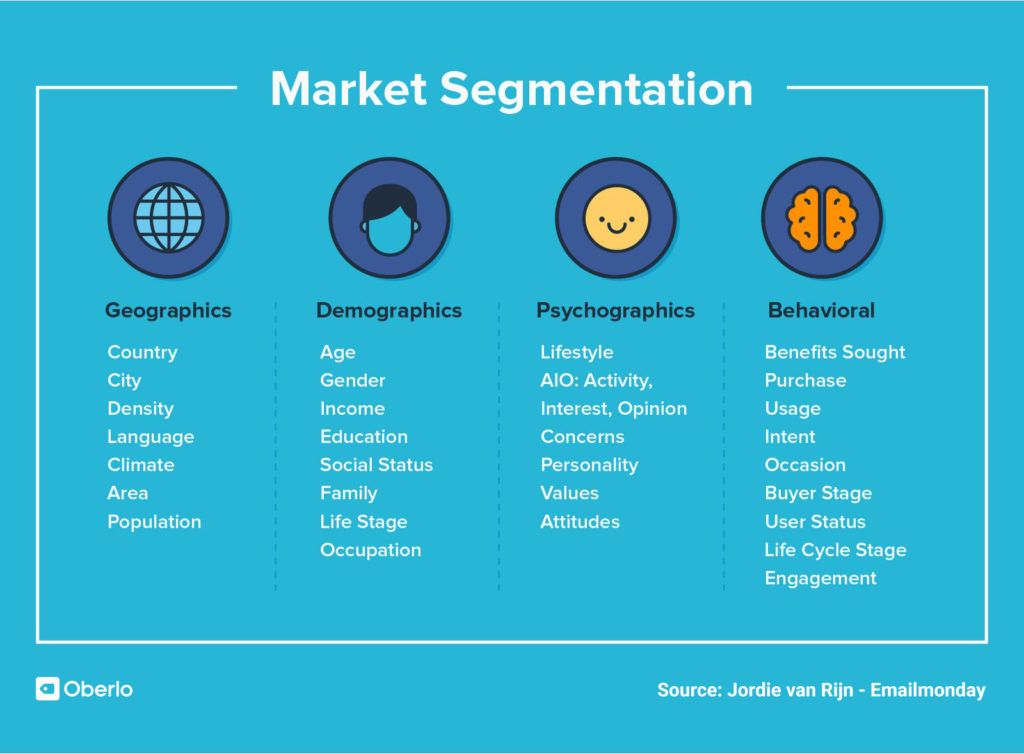 Cluster analysis is basically a stats tool that allows marketers to group data based on the similarities and statistical connections that they share. This means that data can be categorized and organized depending on the similarities and differences that they share. A cluster refers to a group of data that’s similar. Each Individual groups of clusters is homogenous and share similar data but when compared to one another, groups are heterogeneous because each cluster is different from the other clusters. Companies interpret data based on market segmentation, which is a way of grouping customers depending on certain products or purchasing behaviors. Some factors that companies use to create groups are location, demographics, geographic or socio-economic attributes, and factors pertaining to particular products.
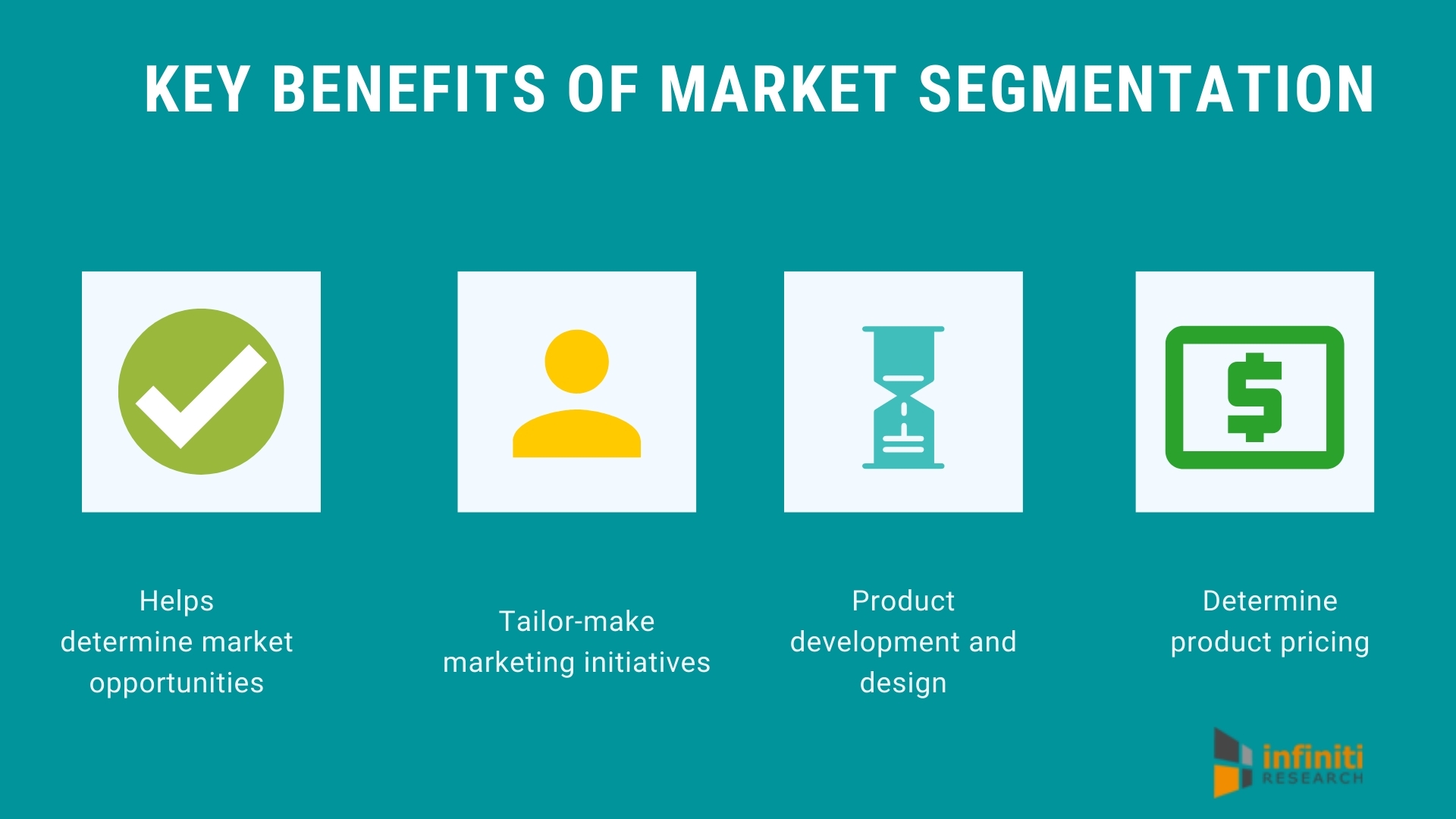 When a company needs to understand which target audience to focus on, they turn to cluster analysis in order to segment their customers depending on the similarities and differences they share. Cluster analysis is not only helpful in routing the development of functioning market segments, but it also provides useful statistical measures of likely target markets. Marketers want to be able to effectively segment markets. By just grouping data together, marketers may not reach their desired outcome. In order to best understand cluster analysis, think of it as a tool that allows for developing market segments much in the same way you would use excel to calculate and analyze data. Once a company decides how to segment and group consumers, they can begin to
 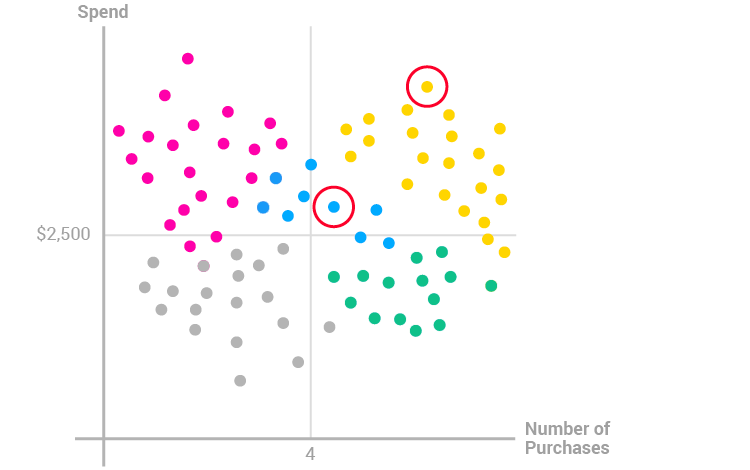 come up with marketing strategies depending on the needs of each target group.
 Growth hacking. It’s one of the latest buzzwords, but what does it actually mean? An article by marketing expert
 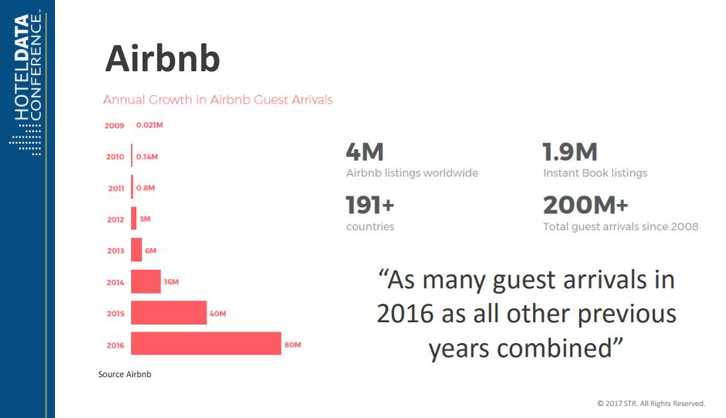 people viewing apartment listings on Craigslist to Airbnb, they began to see a lot of growth. This is growth hacking. Growth hackers are not too worried about the steps that should be taken or the tool that should be used to meet marketing goals, but more interested in using their analytical thinking to find opportunities for growth. This is why startups and companies who need exposure to grow their revenues are interested in the practice. It allows them to attract new customers quickly and for a low cost. Different marketing methods such as social media, targeted advertising, reverse engineering SEO, email marketing, content marketing, analytics, A/B testing, and more can also be used by growth hackers to meet these goals.
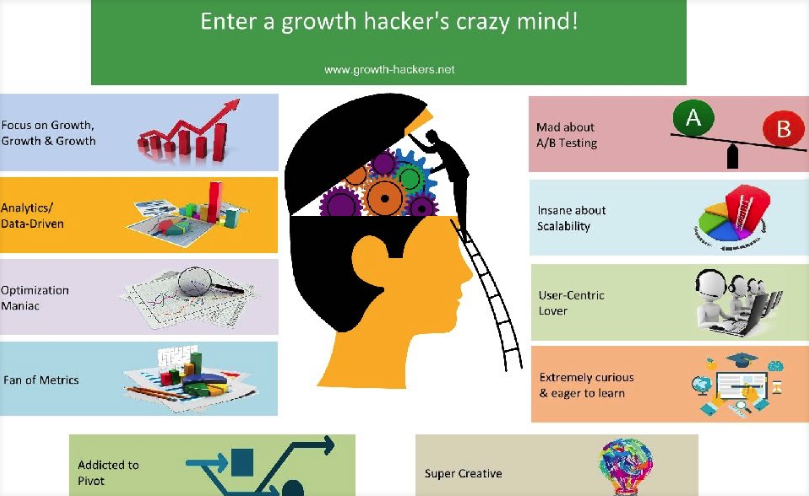 To make it a bit clearer, growth hackers are always experimenting and pushing limits in order to find unconventional acquisition strategies. This is why they’re known as “hackers.” Is it ethical? Not really. However, growth hacking methods tend to be effective. Growth hacking also shares the same basic principles as digital marketing. Both disciplines are focused on metrics, increased engagement, increased conversion, and increased retention. Growth marketing isn’t really defining the goal of marketing, but it is definitely changing the way marketers drive awareness and ultimately, drive sales.
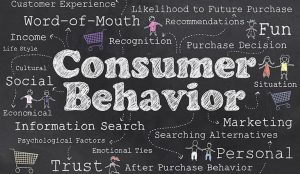 Some of the best insight that marketers can receive is understanding why consumers make purchases and what they are purchasing. With this information in hand, marketers can understand how to market products in such a way that sales will be successful.
 Consumer behavior tends to be motivated by several factors including psychology, personality, external motivators, and of course the type of buyer. According to an article by
  featuring an article by a well-known expert, and my website suddenly begins to see a lot of traffic, measuring these numbers would show me that it would be a good idea to do this more often in order to increase traffic. Google Analytics also further breaks down this traffic by indicating how many of these visitors are new and how many are repeats.
 This metric is crucial in understanding how many visitors leave your website right after landing. The lower your website’s bounce rate is, the more visitors that are actually staying on your website and likely converting. By picking apart this information, it’s easier to see what changes must be made to a website in order to improve the bounce rate. Although these metrics will not exactly zero in on the reason that visitors are leaving a website, common problems include slow loading times, broken websites, and downright ugly websites. This gives businesses/individuals an opportunity to investigate these problems and fix the source of the problem to improve this metric.
 calculate by using the following formula: Unique Visitors/Conversions. Conversion rates are what impact profits, so being able to measure this metric is valuable because it can allow website adjustments in order to optimize the website so that it is hitting those conversion goals.