Giving a brand a personality is essentially giving it human traits or personifying it. When a brand is described as unique, “trustworthy, beautiful, or funny, it is being assigned adjectives and characteristics that are normally given to a person. It might seem like a bit of a strange practice, but it is actually an essential part of crafting a brand’s personality. A brand should extend much further than just being a cool logo or name. It should be a customer experience and should communicate through various methods what it actually represents. When a brand has built a personality and a voice for itself, it is able to make personal connections with audiences.
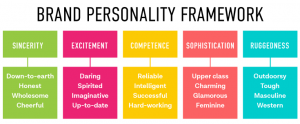
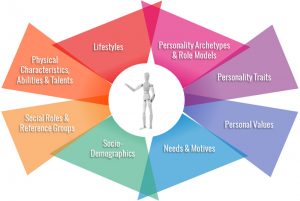 I recently began working for a marketing agency in the floral industry. Gems is a lifestyle company focused on creating demand for fresh cut flowers. The company’s goal is to change when and how people buy flowers. Gems’ flowers are grown in Colombia and are then distributed to supermarkets throughout the United States. Bouquets range from standard holidays arrangements and traditional daily bouquets to custom recipes created for smaller holidays like the Day of the Dead and Diwali. It is a wonderful company who describes itself as distinctive, personal, and remarkable. I find these qualities to be true and relevant to the target group. In addition, these traits align with what Gems delivers.
 Gems’ target audience is made up of grocery stores who want to offer a “different” type of bouquet to their customers. Gems is able to fulfill these requirements by offering distinctive yet personal bouquets. New recipes are put together according to what clients ask of our company. We completely tailor bouquets according to what supermarkets want to serve to the public. However, Gems pays attention to detail and does its best to ensure that each product is sophisticated and distinctive enough to differentiate us from other floral distributors. We try to be different in the types of bouquets that we offer and what holidays we offer them for, as well as adding very detailed final touches like sticker picks and custom sleeves in order to make the bouquet that much more special. These qualities not only contribute to the company’s claim of being remarkable but also fit into the brand personality Gems aims to achieve. Gems has worked to construct a brand that is sincere by building a personality that is transparent and thoughtful. It is ethical and has built customer trust along the years by taking customer expectations seriously and always delivering responsibly.
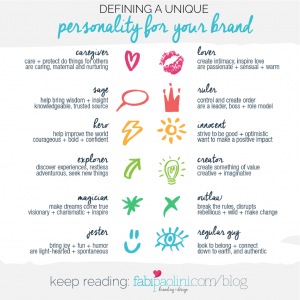 One of the reasons Gems has maintained such a successful brand personality and reputation is because they have maintained their personality through their actions. Gems is an honest brand that works to deliver products ethically and will correct issues that do not align with their brand personality. There are a couple of things that Gems can do however in order to liven up their brand personality in the digital age. In addition to the qualities mentioned above, Gems portrays a young and exciting brand image and I believe there is a lot more that the company can do in order to display this. For example, trendy and younger brands tend to be associated with social media and exciting posts. Gems should take advantage of this personality trait and use it to garner excitement among their followers. Additionally, Gems can be more consistent with press releases and the frequency of their posts. This would absolutely add a more personalized touch to their brand personality.
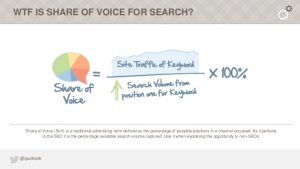 Share of voice can be measured for different channels such as social media and SEO and although the steps involved change slightly, the overall equation is fairly simple: Brand advertising / Total market advertising = Share of voice. It is crucial to be mindful of the amount of mentions made about your brand during a certain amount of time. Next it’s time to follow this process for your competitors, keeping track of all related keywords. By calculating the total amount of mentions and dividing it by 100, you can calculate what 1 percent of the total voice for your group is. You can then separate your brand’s total amount of mentions and divide it by whatever number was first calculated. This can be done repeatedly to calculate the total voice for each competitor.
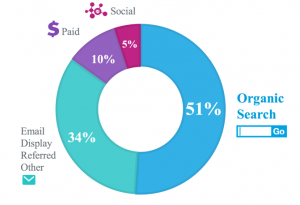 According to an article on share of voice by
 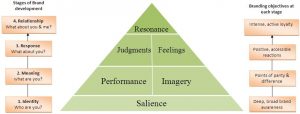 The most important part of creating brand resonance is to market products in such a way that owning said product helps consumers define a part of their social identity or who they are. You can see this in consumers who swear by MAC makeup, Apple lovers who only use mac computers and iPhones, and auto owners who refuse any cars that aren’t Mercedes. These consumers feel that certain brands in particular really help define a piece of who they are.
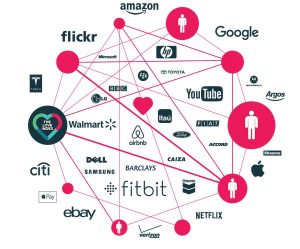 resonance. Personal resonance has to do with self-connection and helping consumers find their voice to express identity and navigate life choices. Personal resonance also covers interdependency by facilitating habits, rituals, and routines (a Starbucks coffee every morning, for example). The article then mentions that the second route is cultural resonance which links brands to enduring values or epochs and role resonance which links brand to social roles (Birkenstock consumers are “tree-huggers). Finally, organizational resonance is the third route by making sure the brand fits with the business model and making sure there is shared understanding of the brand among employees.
 It is crucial for a brand to begin at the bottom of the brand resonance pyramid and strive to move up to the higher levels. However, few brands reach the very top. There are some steps brands can take in order to make the brand resonate with customers. By engaging with customers on an emotional level, learning about customers and their goals, targeting content for specific audience segments, and listening to customer feedback and adjusting accordingly, companies have a good shot at creating a brand that stands the test of time.
 Data science assists in pulling information from data and helping marketers choose the right insights that will allow them to optimize marketing strategies to the max and gain the most revenue they can. There are also many other ways that data science can be used in the marketing field, including SEO, content marketing, engagement, and marketing campaigns.
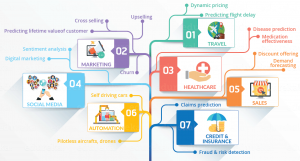 Data science is also beneficial when it comes to making data-driven decisions like targeting leads and lead scoring. For example, with analyzed data science in hand, marketers can target leads by looking at their history and determining what their online behavior is. This strategy can help marketers really get the most value out of their marketing efforts. Marketers can segment their customers according to behavior and consequently increase sales performance and revenue.
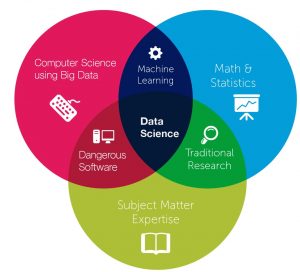 target audience. Marketers can also use data science to access information about customers to receive information and send ads to those customers specifically.
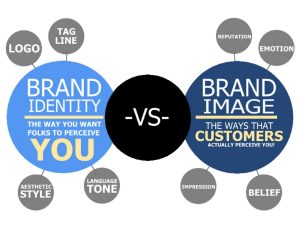 A brand isn’t just an image or a logo. The term is used loosely and so many consumers do not realize that there is so much more to a brand, including feelings and emotional relationships. A brand is a relationship and along with a brand comes brand image and brand identity—two pieces that are crucial to the brand’s success.
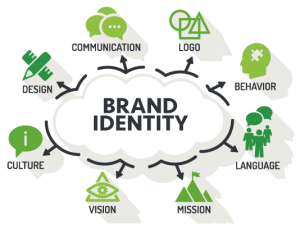 Brand image and brand identity are often times mistaken for one another because they are both related to branding, which includes assigning a name to products or services. However, both terms mean very different things. Brand identity relates to the way a brand is defined and the way the creator of the brand wants the public to view it while brand image refers to how the brand’s consumers perceive it.
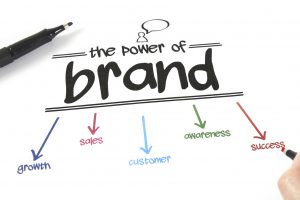 A brand’s identity focuses more on the way a company chooses to represent itself and the way the brand wants its audience to view it. Essentially, the brand identity should represent what the company looks like, stands for, and what is represents. Branding plays a crucial role in ensuring that an audience understands a company’s identity. A company’s consumers and competitors will distinguish products based on the way it markets itself and communicates its identity.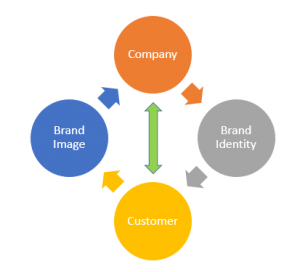
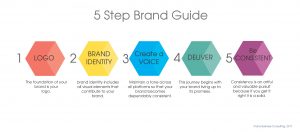 Building an effective brand image and brand identity makes it easier for consumers to connect with a brand and form a special relationship with it, which in turn builds customer loyalty. Both are critical for a brand to prosper. By understanding how both of each of these segments of branding feed into the creation of a brand and by carefully strategizing, a company can create something to be remembered by.
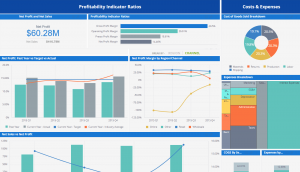 I am not and have never been a numbers person. As a matter of fact, looking at numbers and data intimidates me and quickly bores me. I have witnessed various project presentations–whether related to math, science, or social sciences. One problem that many data presentations tends to have in common is that they are not presented creatively or in a way that really makes them memorable. There are some ways to make these presentations more interesting, and the good news is that it doesn’t take much effort at all.
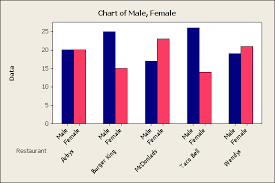 seem to make much sense. One tactic that can be used to help break up the information and make it “pop” is to use plenty of colorful graphs. By playing with different buttons and charts on Tableau, I have learned that there are plenty of ways to create a visually appealing chart that highlights relevant information without losing an audience. Different categories can also be highlighted in different colors so as not to make the graphs look plain. For example, when laying out data gathered from men and women, the bars on a graph representing men can be colored in blue while pink bars can represent women. This not only makes the data easier to digest, but it helps viewers understand how to differentiate the information.
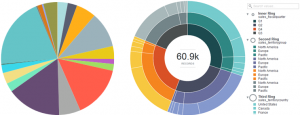 By using images relevant to the data, the information laid out becomes more inviting. For example, a photo can be used with pie charts placed over different sections of the photo. Numbers are NOT my friend and I find information much easier to understand when it is set up visually.
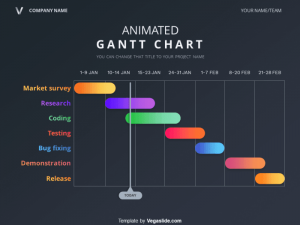 way.
way. Marketing your brand to users on their cell phones is known as mobile marketing, and it is a practice that has become increasingly important due to the rise in technology. According to the blog
 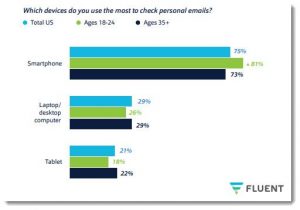 According to
 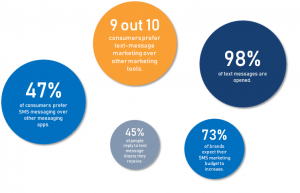 Another reason mobile marketing is useful for brands is because of its personal nature. Consumers carry their mobile phones with them everywhere that they go. Taking this simple truth into consideration, just think of all the opportunities that a brand would have to target consumers, especially considering the average cell phone user checks their cell phone notifications multiple times a day. Mobile marketing is an incredibly personal and effective way of marketing.
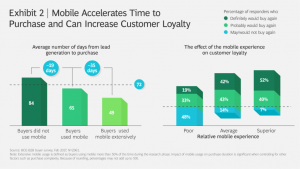 Mobile marketing is revolutionary, and businesses and brands worldwide are quickly adopting mobile marketing strategies. Businesses can target a wider range of consumers by enhancing their campaigns for mobile users and by taking mobile UX into consideration. While some businesses have already invested in in the mobile marketing trend, others have yet to invest in it. However, one thing is for sure: mobile marketing isn’t going anywhere. It will only continue gaining popularity and importance so it’s important for businesses to integrate mobile strategies into their marketing techniques to become increasingly successful.
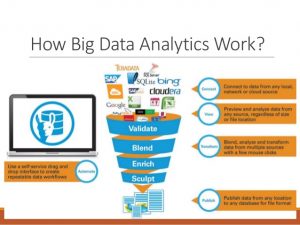 There was a time when marketing decisions used to be made by intuitive feelings and hypothetical guesses. However, with big data analytics, marketers now have the tools they need in order to make better informed decisions. Big data analytics refers to the processing of large and complex data sets which cannot be decoded using traditional analyzation methods. Big data analytics takes a hard look at large amounts of data and decodes patterns and insights. It also brings some benefits to marketers such as speed and proficiency. In order to gain the insights to make future business decisions, marketers can now use big data analytics to quickly come up with results. Using the correct technology to generate insights yields higher quality decisions for companies.
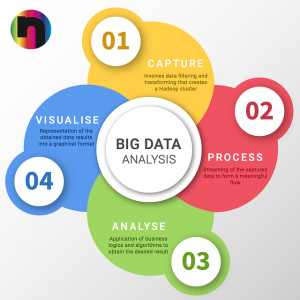 By using big data analytics, businesses can connect their data and use it to search for new opportunities. This helps business make better informed decisions, earn higher profits, and keep current and prospective customers happy. There is so much data and information on customers available nowadays that companies have an overabundance of structured and unstructured data at their fingertips. Processing all this data is extremely complex using standard databases and software. Therefore, big data analytics is used which allows marketers to automate data and in turn saves time and leads to better pricing decisions due to less chances of human error. According to
 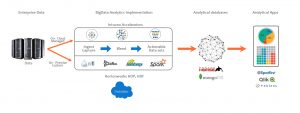 the use of big data. In order to be competitive in the marketplace, they should begin adopting these techniques.
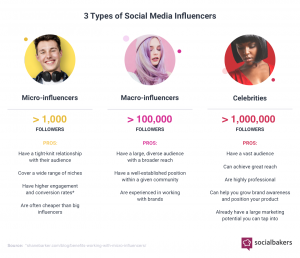 With the rise of social media marketing, social influencers have become a hot topic. Social influencers are people with a plethora of knowledge and experience in their industry. They usually gain traction by voicing their opinions on products or services and reviewing or recommending products for the public. One way to think of these individuals is to think of them as brand advocates.
 credible and impactful. Nano-influencers have very few followers and deliver what are considered to be “authentic and trustworthy” messages. Celebrity influencers (think Kylie Jenner and her partnership with Fashion Nova) are famous and have a massive following. The one thing these sub-categories of influencers have in common is that they are all paid, whether in cash or in exchange for free products.
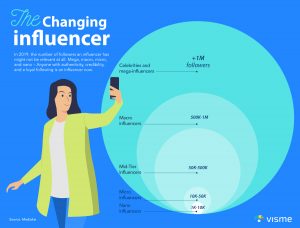 public loves them too because their reviews seem so much more authentic and unbiased since they aren’t receiving any type of monetary gain. Usually posts made by organic influencers have better engagement rates, are cost-effective or free for companies, and feel truly authentic. The everyday average consumer who wants real opinions from other average consumers might tune in to a review offered by an organic influencer versus a paid influencer. Paid influencers not only come with a price tag, but they tend to target more specific audiences and don’t always feel as authentic because they are promoting a product that they are being paid to promote, and consumers know this.
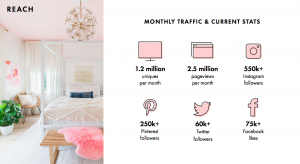 they are many times giving their brand a boost in the eye of the public. Influencers tend to have followers who care about what the have to say and they can absolutely make a large impact and get consumers to make purchasing decisions. Social media and influencer marketing has become a modern way to market, and according to a recent study on the
 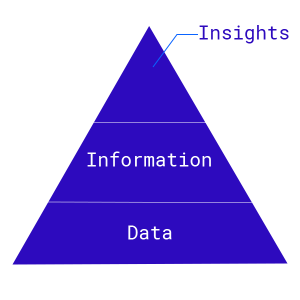 Data, information and insights are sometimes used as interchangeable terms but are not the same thing. Sometimes people use “data” and “information” to refer to the same sets of information, but the reality is that they are in fact very different. The best way to think of these categories is by separating them into a pyramid. Data would fall at the very bottom of the pyramid, information in the middle, and insights at the very top.
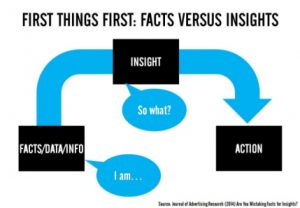 is analyzed and viewed, it becomes information. Information is data which has already gone through the decoding and processing stage. Once the information is interpreted, it is easier to digest and understand. When data is first acquired, it is raw and not much can be done with it in this form. By organizing this data, marketers can retrieve information which adds some kind of meaning to these results. Information is knowledge about a particular subject that can assist consumers in their decision-making process. Insights are then taken from the information gathered. Insights refer to the way people take in and process information. During this step, observations can be made, and conclusions drawn based on whatever information is consumed. Insight is a precursor to action, or what people will do based on the conclusions they have made with the insights.
 inaccurately believe that data is an insight. It’s important to note that it is near impossible to find insights without data, but they aren’t the same thing! As a marketer, if you work for a cosmetics company it may be an essential component of your job to understand that most of the consumers of a particular makeup brand are women. That’s an important data point, not an insight. However, an insight made from this gathered data might be that it is once of the most admired and successful cosmetics brands globally and that women prefer to buy from this brand over any other.
 There isn’t much that a marketer can do with a data point. However, by reaching an insight a marketer can learn to create a marketing strategy to market to these particular consumers in a way that will grasp their attention and differentiate the brand from its competitors. From here, marketers can hash out a master plan that will fuel the growth of the company.